Nature Is Not Failing — Our Economic System Is
By Peter Smith
For most of my adult life, I have worked to protect and restore nature. I have helped buy nature reserves, reintroduced lost species, and pioneered rewilding projects in the UK long before the word became fashionable. I have seen ecosystems recover with astonishing speed when given half a chance.
And yet, despite all this effort, nature continues to decline.
For decades, we’ve been told that we must recycle more, consume less, change our behaviour, or fund yet another conservation scheme. But after more than half a century of warnings, biodiversity is still collapsing, carbon emissions are still rising, and the living systems we depend upon are being eroded.
This is not because we don’t care.
It’s because we are treating a systemic problem with piecemeal solutions.
Life Is a System, Not a Collection of Parts
Nature is not just animals and plants. It is soil, water, air, energy flows, and the intricate relationships between them. Life emerges when these elements are allowed to interact freely and regenerate.
When we degrade soils, pollute rivers, fragment habitats, or over-extract resources, we are not harming “the environment” in some abstract sense — we are dismantling the systems that make human life possible.
Biodiversity loss is not separate from climate change, food insecurity, or water scarcity. They are symptoms of the same underlying failure.
Why Rewilding Works
One of the reasons I became involved in rewilding — including the reintroduction of beavers — is because it bypasses many of the problems of traditional conservation.
Rewilding doesn’t require endless funding, armies of conservation officers, or constant human intervention. It simply requires space.
Give nature land, and it does the work itself.
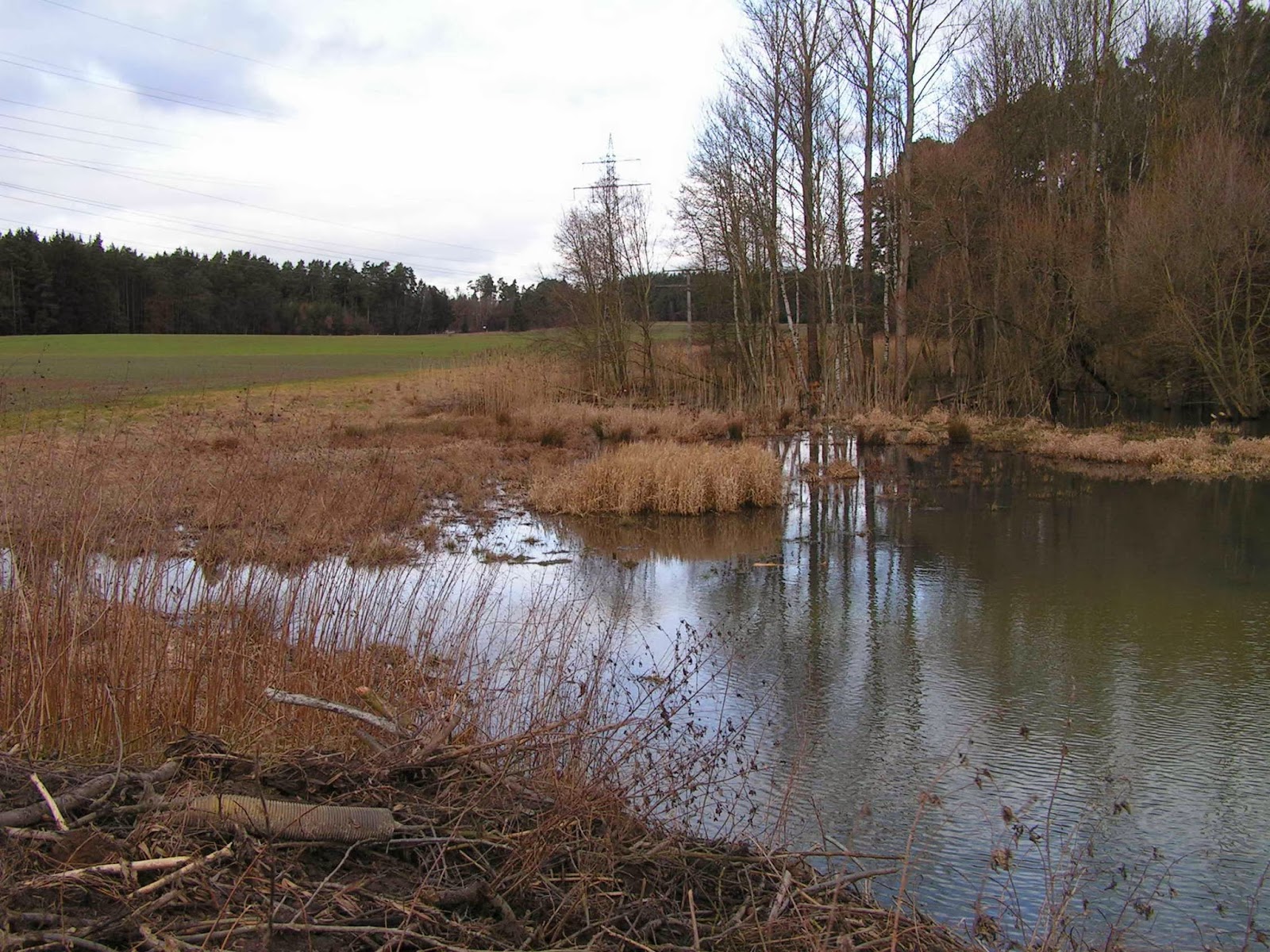
Beavers, for example, create wetlands that clean water, store carbon, reduce flooding, and support vast numbers of species — all without management plans, grant applications, or committees.
And that is precisely why rewilding exposes the real problem.
The Real Barrier: Land and Economic Rent
The greatest obstacle to restoring nature is not public opinion or political will — it is the cost of land.
Every time conservationists raise money to protect nature, land prices rise to absorb it. Subsidies intended to help wildlife often make access to land even more expensive. Nature ends up being “protected” only if someone can afford to buy it back from those who profit by owning it.
In effect, nature is held to ransom.
This same mechanism is why housing is unaffordable, why young people struggle, and why inequality deepens. It all comes back to the privatisation of economic rent — the unearned income derived from owning land and natural resources.
Why Many Green Solutions Don’t Work
Carbon credits, biodiversity offsets, and endless subsidy schemes sound impressive, but they rarely reduce destruction. Instead, they enrich intermediaries, inflate land values, and create new monopolies over nature.
We reward pollution and inefficiency, then ask the public to pay again to clean up the damage.
This is not a flaw in implementation — it is a flaw in design.
A System That Rewards Destruction
In our current economy:
The more land you control, the richer you become.
The more inefficiently you use natural resources, the more profit you can extract.
Those who try to protect nature must pay twice — once through taxation on their labour, and again through inflated land prices.
This is a predator culture, and it is structurally incapable of sustainability.
A Different Foundation Is Possible
If we shifted taxation away from work and enterprise and onto economic rent — the value of land and natural resources — everything changes.
Destroying nature would become expensive.
Using land efficiently would become profitable.
Rewilding would no longer need charity.
Public services could be funded without punishing labour.
Nature and human wellbeing would no longer be in conflict.
This is not utopian. Versions of this approach already exist — from fisheries management in the Falklands to land systems in parts of Asia.
One Crisis, One Solution
The crisis facing nature and the crisis facing people are the same crisis.
Both stem from an economic system that rewards ownership over stewardship and extraction over regeneration.
We do not need to choose between prosperity and nature.
We need to change the rules that make destruction profitable.
If we get that right, nature will recover — and so will we.


Comments
Post a Comment