The Economics of the Wild: Rewilding, Justice, and the Web of Life
Peter Smith, the Founder of the Wildwood Trust in Kent, offers a unique perspective on environmental conservation. Rather than viewing ecology and economics as separate spheres, Smith argues that they are fundamentally linked by the same mathematical principles and that achieving true environmental restoration requires achieving economic justice.
The Web of Life and Rewilding
At the heart of Smith’s philosophy is the concept of the “web of life,” a complex, interconnected system where every species plays a role. Rewilding is not just about bringing back animals; it is about restoring natural processes and the “energy of complexity” that defines life.
The Keystone Species
Restoring nature requires understanding the role of specific species in shaping the landscape.
Top Predators: Predators like wolves and bears are essential for creating ecological balance. Contrary to popular belief, wolves are statistically safe to humans and can actually save lives. Smith argues that wolves would reduce deer populations—which currently cause fatal car accidents—meaning the presence of wolves could save more human lives than they would ever endanger.
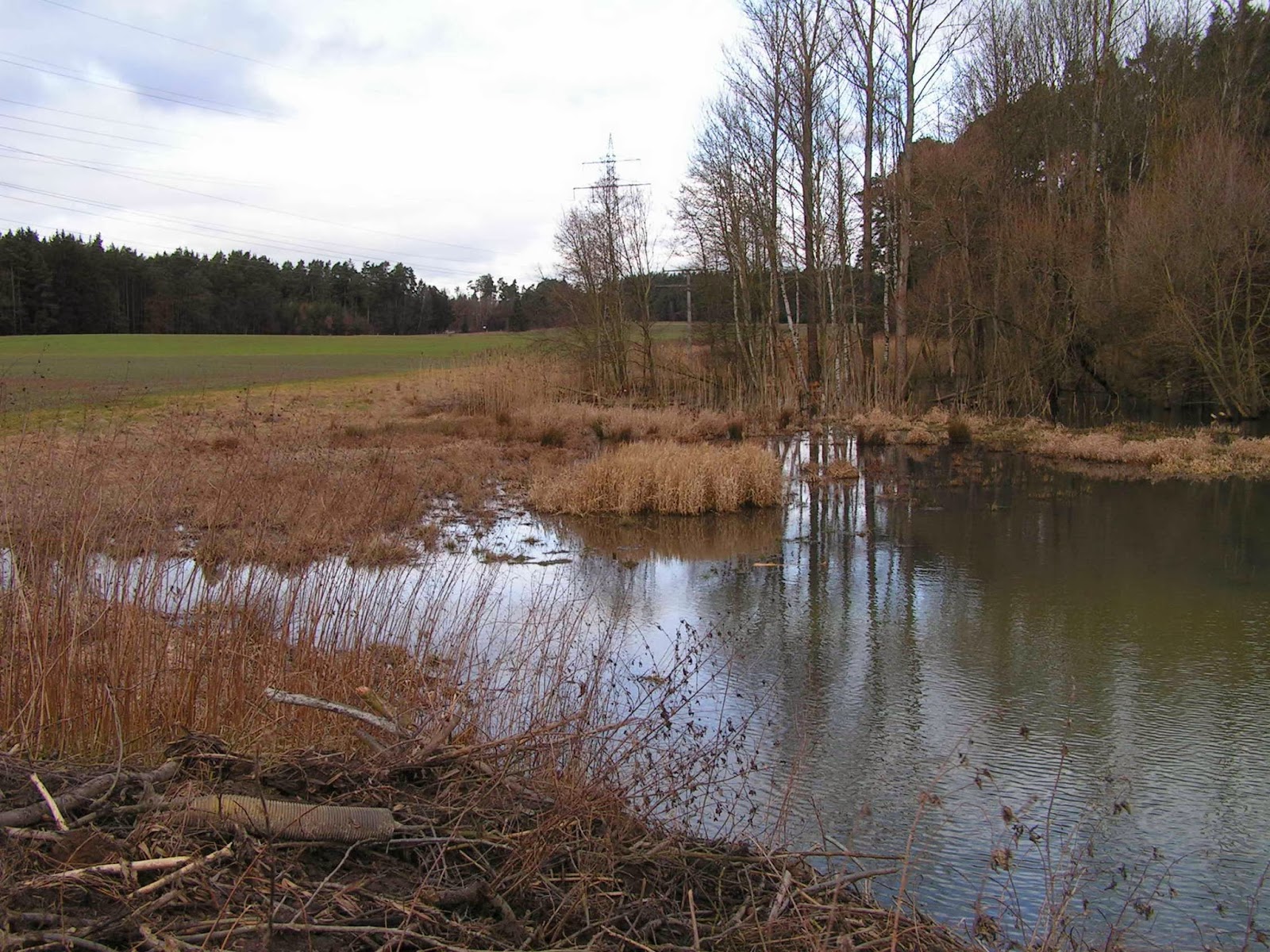
Beavers: Described as the most important animal for rewilding, beavers are ecosystem engineers. By damming rivers, they create wetlands, prevent flooding downstream by holding water in the uplands, and filter water to purify it.
The Wildwood Trust’s Mission
Smith’s old organisation, the Wildwood Trust, began as a necessary venture to quarantine beavers for reintroduction. He and a business partner formed a charity to take over a failing park to facilitate this work. It has since grown to a staff of roughly 130, with locations in Kent and Devon. The Trust breeds and reintroduces native species such as:
Dormice and water voles.
Red squirrels.
Rescued bears, wolves, and wild boar (in natural woodland enclosures).
The Economic Roots of Environmental Destruction
Smith argues that environmental degradation is effectively theft from one’s fellow man. He traces the destruction of nature back to historical and economic systems that incentivise the depletion of resources.
The Tragedy of the “Privates”
Smith challenges the historical concept of the “Tragedy of the Commons,” arguing that the real tragedy arose from the enclosure of land and the privatisation of resources. He terms the current situation the “tragedy of the private individual,” where landowners profit personally from destroying nature.
Subsidies: Modern farming subsidies incentivise the destruction of wildlife. Farmers are paid to manage land in ways that often strip it of biodiversity to meet bureaucratic rules.
Land Monopolies: The legal structures regarding land ownership protect privilege and allow for the degradation of the environment without consequence.
The Decline of Farmland Birds
The impact of these economic incentives is visible in the decline of species like sparrows and starlings.
Loss of Food Source: The use of pesticides, fungicides, and herbicides has eradicated the insects and “weed” species that these birds rely on for food.
Soil Destruction: Intensive farming disrupts the soil microbes and fungi necessary for a healthy ecosystem.
Systemic Solutions: Economic Justice
To fix the environment, Smith argues, we must fix the economy. He proposes a shift toward “economic justice,” which involves changing tax structures to discourage destruction and encourage efficiency.
Taxing “Bads” instead of “Goods”
The current system taxes labour and production, but Smith suggests shifting the burden to “bads” and monopolies:
Land Value Tax: Taxing the value of land would remove the incentive to hold land inefficiently or for purely speculative purposes.
Pollution Taxes: Implementing proper carbon taxes and water abstraction fees would force businesses to internalise the cost of their environmental damage.
Beyond the “Organic” Label
Smith is critical of the “Organic” farming label, viewing it often as just another bureaucracy or “piece of paper.” Instead of relying on labels, he argues for an economic system where:
Farmers naturally compete to be efficient by using the least amount of inputs (chemicals, oil) possible.
The destruction of nature becomes expensive, making environmentally friendly farming the most profitable option.
Productivity is achieved through human intelligence and labour rather than chemical overuse.
Challenges and The Future
Implementing these changes is difficult due to entrenched interests. Smith notes that major organisations, like the National Trust, are often culturally bound to traditional farming and subsidy systems, making them resistant to true rewilding despite their potential. He critiques the Trust as a “closed oligarchic system” that struggles to innovate due to its reliance on farm subsidies.
Political lobbying is slow, described by Smith as “hitting a sponge,” but small victories—like plastic bag taxes or beaver protections—prove that progress is possible.
Ultimately, Smith’s vision is one where economic justice leads to a self-regulating, stable population living in harmony with nature. By removing the profitability of destruction, we can restore the “energy of complexity” that is life itself.


Comments
Post a Comment