Rewilding Britain: Restoring the Lost Complexity of Our Isles
The current state of nature is one of muted devastation. Despite numerous efforts to conserve our environment, the sad reality is that these measures are simply not working. Year upon year, more nature disappears, to the point where Britain is now arguably the most nature-depleted country in the world.
There is a profound disconnect in how we understand this loss. We have created a society that seemingly rewards the destruction of nature, taking it away from current and future generations. While this reality causes justified anger, there is a path forward. Science is advancing, and a growing number of people are beginning to understand exactly what has been lost: the true complexity of nature.
A harsh truth remains: nature does not need man; we are often just a burden upon it. When we encounter a truly wild place—a “self-willed” environment—the contrast with our managed landscapes is stark. A wild place is bursting with life. It is filled with birdsong, mosses, lichens, fungi, and a profusion of biodiversity.
This is what we have lost, but it is also what we can recreate. The solution is remarkably simple in principle: we must let nature go. We must leave the land alone and, crucially, reintroduce the animals necessary to create diversity.
The Engineers of the Ecosystem
Ancient habitats are not static backdrops; they are dynamic systems created by the animals that live within them. To restore nature, we need the presence of “mega-herbivores” and keystone species to re-establish complex relationships. By bringing back these creatures, we create space for rare species that have vanished to return in profusion.
The Bison: The Bulldozer The Bison is our mega-herbivore, acting as nature’s bulldozer. In a high forest, the Bison can knock down trees, creating clearings where sunlight can reach the forest floor. This disturbance allows new life to grow, diversifying the forest structure.
The Wild Boar: The Mini Digger Wild Boar act as the “mini diggers” of the forest. They are essentially little farmers, turning over the earth to create complex soil structures. As they move through the landscape, they transport the seeds of rare trees and create the necessary conditions for plants to thrive.
The Lynx: The Ghost of the Forest. Often referred to as the “ghosts of the forest,” the Lynx plays a vital role in controlling deer populations. By keeping deer numbers in check and moving them around the landscape, the Lynx prevents the overgrazing of new growth. This allows for complex habitats to regenerate in subtle but essential ways.
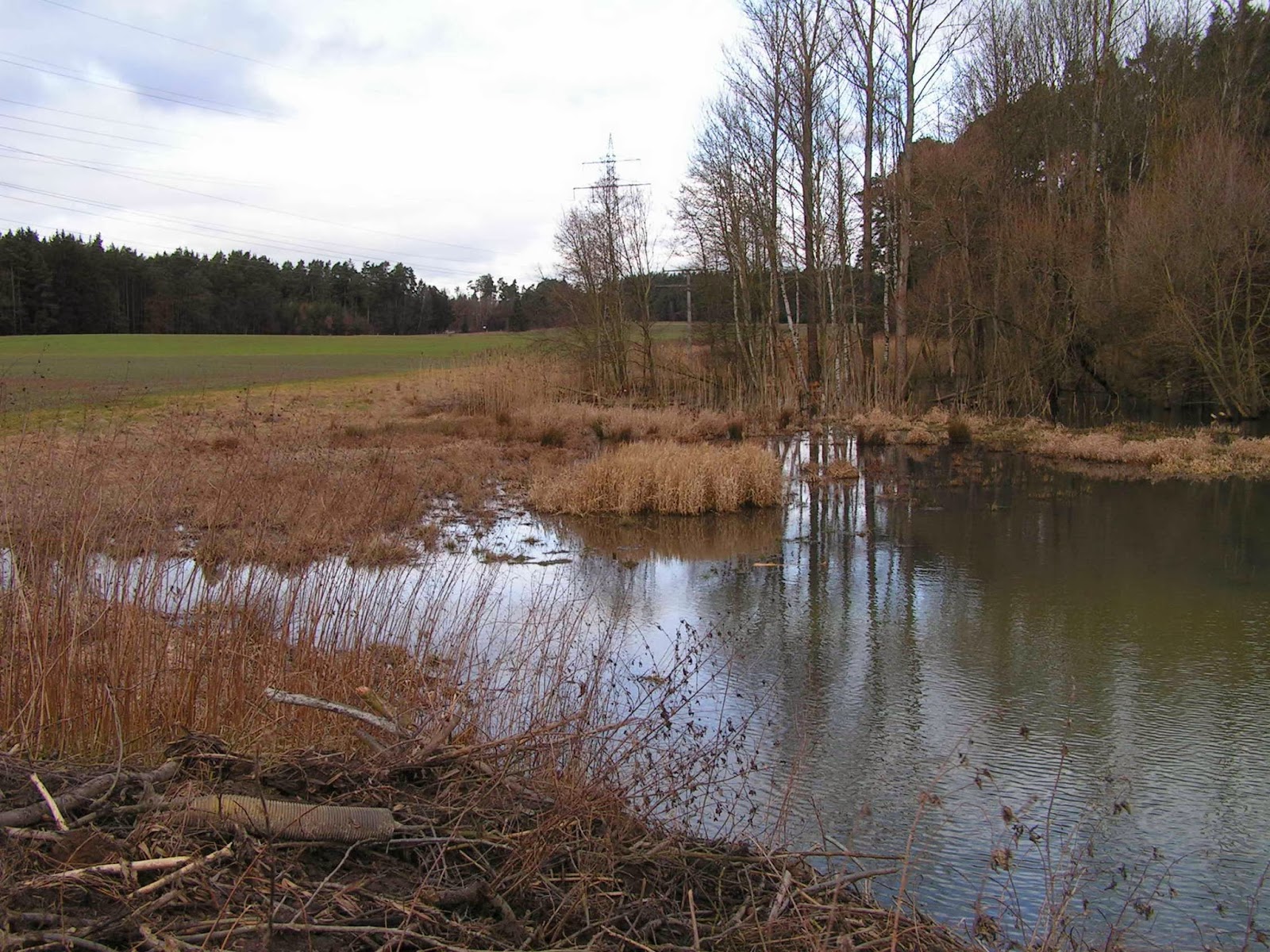
The Beaver: The Wetland Engineer. The Beaver was once our primary wetland engineer. Historically, they would have been present in every river, stream, and lake, busily working their magic. Reintroducing beavers creates wild, dynamic waterways, essential for a healthy ecosystem.
Overcoming Fear with Beauty
Humanity is often scared of what it does not know. Because we do not truly understand what we have lost, we fear the wild. Yet, nature is undeniably beautiful. If society could only see the joy and beauty of a wild future—if we could give people a glimpse of what is possible—they would likely grasp it with both hands.
We have the opportunity to restore the wildlife lost to Britain. We simply need the courage to let nature break free.


Comments
Post a Comment