From the Coast to the Catchment: A Vision for Sussex Wildlife
In a presentation, Peter Smith, the former Chief Executive of the Wildwood Trust, outlined a comprehensive vision for two of Britain’s most charismatic mammals: the seal and the beaver. Drawing on decades of experience in conservation and rewilding, Smith discussed the evolutionary history, current challenges, and ecological necessity of these species, alongside a local initiative to mitigate flooding through natural landscape restoration.
The Resurgence of the Seal
While the UK commonly refers to Phoca vitulina as the Common Seal, the international scientific community knows them as Harbour Seals. Mallydams Wood plays a crucial role in the welfare of these animals, rescuing pups from across the region and treating them for ailments such as mycoplasma infections, which require specific antibiotic treatments like tetracycline.
Evolution and History The lineage of the seal can be traced back approximately 45 million years to a common ancestor known as Puijila, a small, otter-like creature found in Northern Canada. Over millions of years, these ancestors took to the sea, eventually diversifying into the three groups we recognise today: true seals (earless), sea lions (eared), and walruses.
Historically, seal populations fluctuated with glacial maximums, as ice sheets blocked access to the continental shelves where they feed. However, the most devastating impact on their numbers has been human activity. Through industrial harvesting and persecution, the Grey Seal was driven to the brink of extinction by the turn of the last century, with perhaps fewer than 5,000 individuals remaining globally.
Population Trends and Threats Today, Grey Seal populations have rebounded, following a classic biological growth curve, and are expanding rapidly along the coasts of Sussex, France, and the Netherlands. Conversely, Harbour (Common) Seal populations face significant risks. They are epidemiologically “naive” due to their isolated estuary-based colonies, making them highly susceptible to outbreaks of the Phocine Distemper Virus, which has historically caused population crashes of up to 50%.
Conflict and Coexistence A persistent narrative suggests that seals are responsible for declining fish stocks. However, Smith argues that seals act as the “Wolves of the Sea,” and removing them can cause ecological cascades that are detrimental to fisheries. For instance, a cull in British Columbia led to an explosion in hake populations, which subsequently decimated salmon smolts. Furthermore, seals play a vital role in maintaining kelp forests by consuming the predators that graze on kelp. Restoring these kelp beds could sequester millions of tonnes of carbon.
Locally, tension exists with the fishing community. While Grey Seals do damage static fishing gear, they pose no threat to overall commercial fish stocks. The decline in stocks is more accurately attributed to industrial fishing practices and habitat degradation. Looking forward, the ecosystem may see the return of another top predator; sightings of Orcas in the Channel are increasing, suggesting they may become a regular feature off the coast in the coming decades.
The return of the Beaver
Peter Smith’s career has been intrinsically linked with the reintroduction of the beaver, dating back to a pioneering project at Ham Fen in Kent.
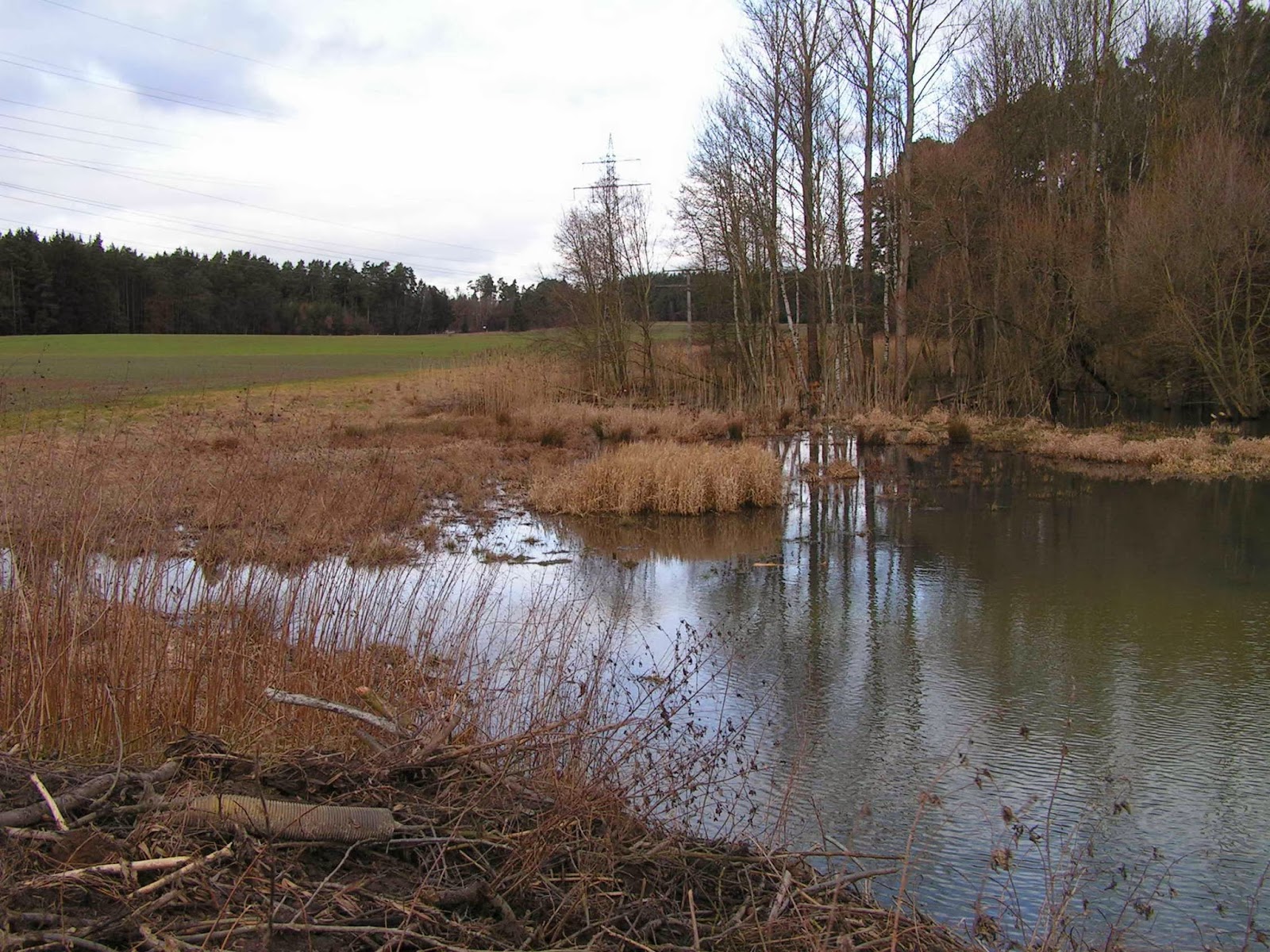
Restoring the Wetlands Ham Fen, a designated Site of Special Scientific Interest (SSSI), was suffering from desiccation as drainage pumps destroyed the peat basin. In collaboration with colleague John McAllister, and funded by landfill tax credits from a local aggregates company, Smith helped facilitate the reintroduction of beavers to manage the landscape.
Beavers are ecosystem engineers. They build dams that braid channels, create complex wetlands, and purify water by trapping silt. Crucially, they reverse the oxidation of soils. Smith estimates that if beavers were allowed to recolonise 30% of the UK’s waterways, the resulting carbon sequestration in peat and soil could offset the country’s entire human carbon output.
Current Status and Rescue Beavers have now established themselves throughout the Stour catchment and are predicted to naturally colonise the Rother and Medway catchments over the next 15 to 20 years. However, this expansion brings challenges. Young beavers dispersing from the Stour occasionally wash out to sea, suffering from kidney failure due to saltwater aspiration. Mallydams has been active in rescuing and rehydrating these displaced animals.
https://youtu.be/Kmozyz_QpKg
Natural Flood Management in the Marsham Valley
Recognising that natural beaver colonisation will take time, Smith has launched a new initiative aimed at flood prevention. The “Future Landscapes Trust” has secured £400,000 in funding from the Environment Agency to protect the village of Pett Level from flooding.
Mimicking Nature Flooding in the area is driven not just by rainfall clustering, but by land management practices like drainage ditches and compacted soils that accelerate runoff. Working with hydrologists and local landowners, the project aims to mimic beaver activity. By restoring wet woodlands, removing invasive rhododendrons, and constructing “leaky dams” in the woodlands of Mallydams, Hood Wood, and Stony Link, the project seeks to slow the flow of water and flatten the flood peak, protecting downstream communities while enhancing biodiversity.


Comments
Post a Comment