Createing the Wildwood: Economics, Ecology, and the Future of Nature - from
Introduction: A Vision for a Rewilded Britain
The Wildwood Trust was born from a simple yet ambitious vision: to create a place where people can come and learn about rewilding—not just as an abstract concept, but as a tangible reality. It is about demonstrating how rewilding can happen and giving the public a feel for what a truly wild Britain could look like. Imagine our woodlands and landscapes populated once again by the creatures that belong here: lynx, wolves, pine martens, and red squirrels. These are not just animals of the past; they are the animals we could have back in this country.
Wildwood is about teaching people to live alongside these creatures and to live with nature itself. But to achieve this vision on a national scale, we must look beyond biology and ecology. We must confront the root of the problem, a subject that makes everything in nature conservation infinitely harder: economics.
Chapter 1: The Origins of Wildwood
The dream of a British wildlife park began with Terry Stanford in the 1970s. Terry was a forester by trade, but his career was shaped heavily by economic forces. He worked as the operations director for English Woodlands, a company that, despite its name, was less about forestry and more about tax avoidance. They took money from wealthy investors looking to dodge capital gains tax and used it to buy woodlands.
Terry’s job was to manage these lands, often using government grants to do so. The result was ecological destruction. Ancient chestnut coppice was ripped out and replaced with Corsican pine and other commercial crops. As the habitat vanished, so did the wildlife. Witnessing this loss deeply saddened Terry, a man who loved nature. In response, he founded the Whitstable Wildwood Woodland Park, a “tree museum” to preserve what was being lost. Over time, this evolved into the Wildwood we know today.
Our collaboration began seriously around 1998 with the Ham Fen Beaver Project, arguably the first major rewilding project in the country. We used the park to quarantine beavers before their release, laying the groundwork for the Trust’s future.
Chapter 2: The Philosophy of Rewilding
Wildwood’s philosophy draws inspiration from pioneering work in Europe, particularly in the Netherlands and Germany. These countries have led the way in recreating wild habitats using natural engineers like wild horses and European beavers. Unlike Britain, they haven’t robbed their forests for centuries, maintaining a continuity of nature that we have lost.
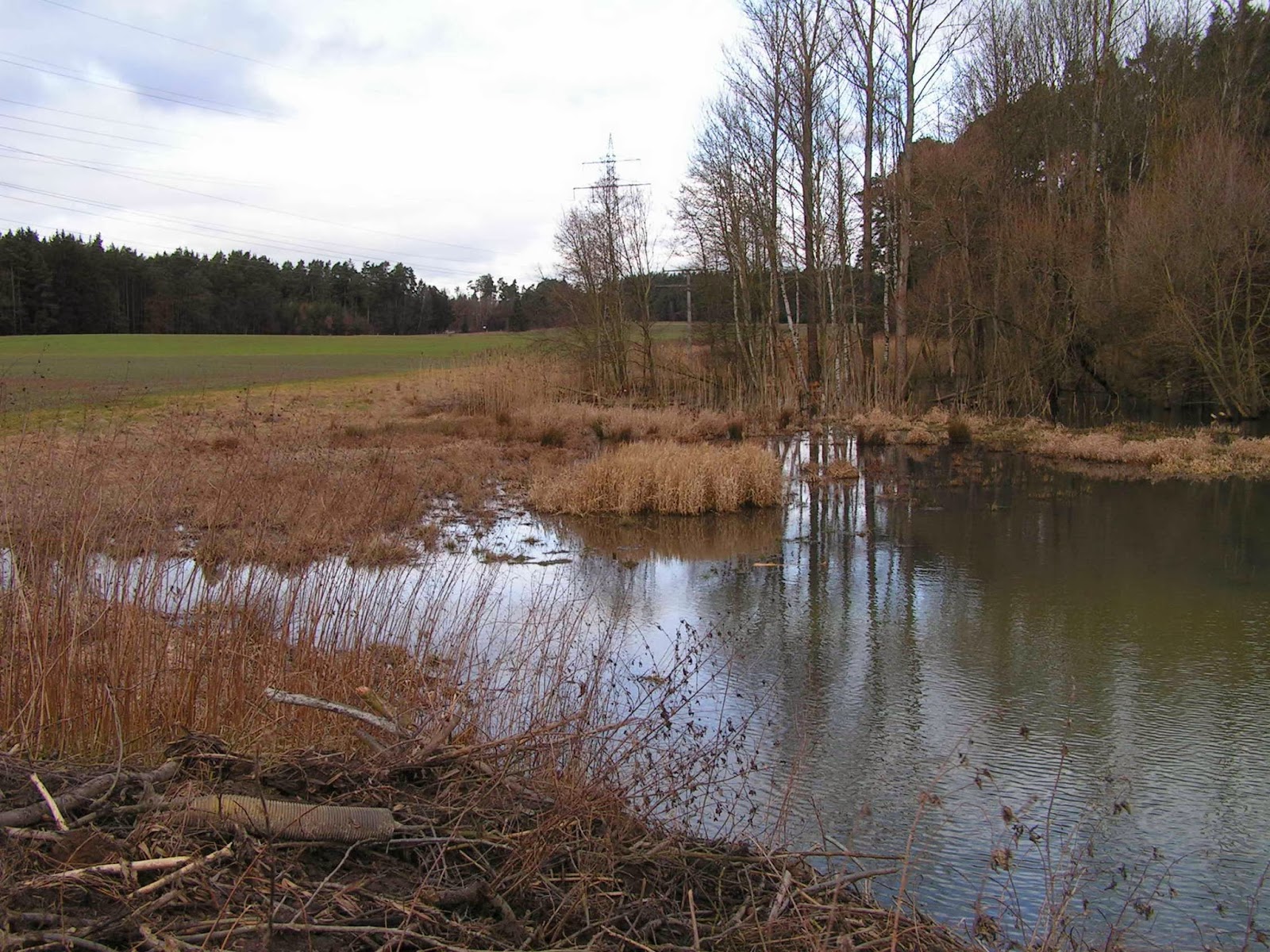
The beaver is central to this philosophy. They are not just animals; they are ecosystem engineers. As they work, they hydrate the woodland, creating wetlands that act like giant sponges. These sponges soak up floodwaters, protecting our towns and cities from catastrophic flooding. Yet, historically, they were hunted to extinction by farmers protecting their land. Bringing them back is about restoring these vital natural processes.
Our foundation is built on rewilding principles. We manage around 140 Konik ponies—wild horses that graze nature reserves from Scotland to Wales—helping to recreate wood-pasture habitats. We are also heavily involved in reintroducing water voles and dormice. But rewilding requires public support, which is why education is our cornerstone. We welcome nearly 12,000 children a year, teaching them about rewilding and practical conservation skills.
Chapter 3: The Economic Barrier to Nature
To truly create a space for nature to flourish, we must understand the “perverse incentives” embedded in our society and economy. These incentives actively stop nature from recovering. Economics, as a discipline, has been corrupted over the last century, making it difficult to even discuss the solutions we need.
The corruption stems from a battle 120 years ago between classical and neoclassical economists. Classical economists recognised three factors of production: Land, Labour, and Capital. “Land” meant everything provided by nature—oil, soil, water, and the very space we stand on. Neoclassical economics, however, removed land from the equation, conflating it with capital.
This was a catastrophic error. Land is a monopoly. When you own land, you own a monopoly that grants you privileges, including the ability to extract “rent”—unearned income derived not from work, but from ownership. By ignoring this, modern economics ignores the fundamental driver of environmental destruction: the monopoly of land ownership.
Chapter 4: Perverse Incentives
We face a series of economic mechanisms that incentivise the destruction of the natural world:
1. Agricultural Subsidies Agricultural subsidies are sheer madness. They take money from hardworking taxpayers and give it to wealthy landowners. Crucially, the farmer often doesn’t benefit. Because most farmers rent their land, subsidies simply drive up the cost of rent—a phenomenon known as Ricardo’s Law of Rent. The money is siphoned off to landowners, often ending up in offshore tax havens, while the subsidies themselves encourage practices that destroy wildlife.
2. Tax Dodging and Privileges Land ownership attracts immense tax privileges. Inheritance tax relief and capital gains roll-over relief mean that owning farmland or commercial woodland is a highly effective way to avoid tax. This system pays people to own land and often to reduce its biodiversity, as commercial monocultures are favoured over wild habitats.
3. Tax Allowances The tax system encourages capital intensity over labour. Farmers can offset the cost of massive machinery against their profits over five years—a benefit most other businesses, and certainly charities like Wildwood, cannot access. This pushes farmers to buy bigger machines and employ fewer people, damaging the land and hollowing out rural communities.
4. Ignoring Externalities An externality is a cost you inflict on someone else—like pollution. Our economic system hates acknowledging externalities because they represent theft. If you pollute the air or poison a river, you are stealing health and wealth from others and from future generations. Yet, we refuse to tax these activities effectively. Instead of a simple carbon tax at the source, we create complex, corruptible subsidy schemes for wind turbines.
Chapter 5: The Housing and Farming Myth
We are often told we must choose between homes and wildlife, or food and wildlife. This is false.
The Housing Myth Housing occupies just over 2% of Britain’s land—less than golf courses. Housing is not the enemy of wildlife; rural land use is. 95% of wildlife loss is caused by changes in the rural environment, primarily farming. Yet, we spend all our energy fighting housing developments because of “NIMBYism” and the fear of reducing house prices.
The Farming Myth We produce nearly 10 times the calories we actually need, yet we waste huge amounts of food and use land incredibly inefficiently. Roughly 40% of the UK is uneconomic to farm; we have to pay subsidies just to get people to farm it. If we stopped this madness, we could rewild 40% of the UK without threatening our food security. It would actually save the taxpayer money.
Chapter 6: Solutions for a Wild Future
We do not need new economic thinking; we need to rediscover the truths of classical economics. The solutions are practical and achievable:
1. Land Value Tax (LVT) We should replace taxes on labour and capital with a Land Value Tax. If you hold a monopoly on land, you should pay for that privilege. This would end land speculation and the hoarding of land for tax avoidance, making land available for housing and rewilding.
2. Taxing Pollution (Externalities) We must tax the “bads”—pollution and resource depletion—rather than the “goods” like work and employment. A carbon tax at the source would let the free market decide the most efficient way to produce green energy, removing the need for corruptible subsidies.
3. Spatial Planning & The Nature Grid We need a “Nature Grid”—a strategic plan where 5% or more of the country is dedicated to nature, connecting national parks and rewilded areas. This requires spatial planning: deciding what goes where rather than letting market chaos dictate land use. We need to reclaim floodplains and coastal buffers, which are far more effective and cheaper than concrete defences like the Thames Barrier.
4. Universal Citizens Dividend By collecting the “rent” from land and natural resources, we could fund a Universal Citizens Dividend (Basic Income). This would remove the poverty trap and allow people to choose work that is meaningful, rather than being forced into low-paid, destructive labour.
Conclusion
We have more than enough land to have amazing rewilded habitats without costing jobs. In fact, rewilding and efficient economics would create jobs. The tragedy of our times is not the “tragedy of the commons,” but the tragedy of the “unmanaged commons” and the private monopoly of land.
By fixing our tax system, removing perverse incentives, and valuing nature for its intrinsic worth, we can create a world where humanity and wildlife flourish together. The economic arguments for destruction do not stack up. The path to a wilder, wealthier future is clear; we just need the political will to take it.


Comments
Post a Comment